Class 7 Social Science Chapter 9: From the Rulers to the Ruled: Types of Governments NCERT Solutions
All 8 questions with collapsible Solution and Expert Solution. Tap a button to reveal the working.
Questions
Q 9.1
Write names of the various types of government that you have
learnt in the chapter.
Concept used. A government's type depends on two questions:
who holds the power to rule, and how that power passes from one ruler
to the next. Using these two questions, the chapter sorts governments
into five broad types, and splits democracy itself into further
sub-types.
Carried over from Grade 6
In Grade 6 we learnt that India has a democratic form of
government, meaning power belongs to the people. This chapter shows
democracy is only one of several ways a country can be ruled.
Democracy. Power belongs to the people. It has two
forms: direct democracy (every citizen takes part in
every decision, as in some Swiss cantons) and
representative democracy (citizens elect
representatives who govern on their behalf, as in India).
Representative democracy further splits into
parliamentary democracy (the executive sits inside
the legislature, as in India) and presidential
democracy (the executive is elected separately from the
legislature, as in the USA).
Monarchy. Power belongs to a king or queen and passes
down within one family. It has two forms:
absolute monarchy (the monarch holds complete power,
as in Saudi Arabia) and constitutional monarchy (the
monarch has only nominal power while an elected parliament and
prime minister actually govern, as in the United Kingdom).
Theocracy. Power belongs to religious leaders, and the
country is ruled according to the rules of a religion, as in
Iran, Afghanistan and Vatican City.
Dictatorship. Power belongs to one person or a small
group with no limits from any constitution or law, as with
Adolf Hitler in Germany and Idi Amin in Uganda.
Oligarchy. Power belongs to a small, powerful group,
usually wealthy families or influential people, as in some
aristocratic city-states of ancient Greece.
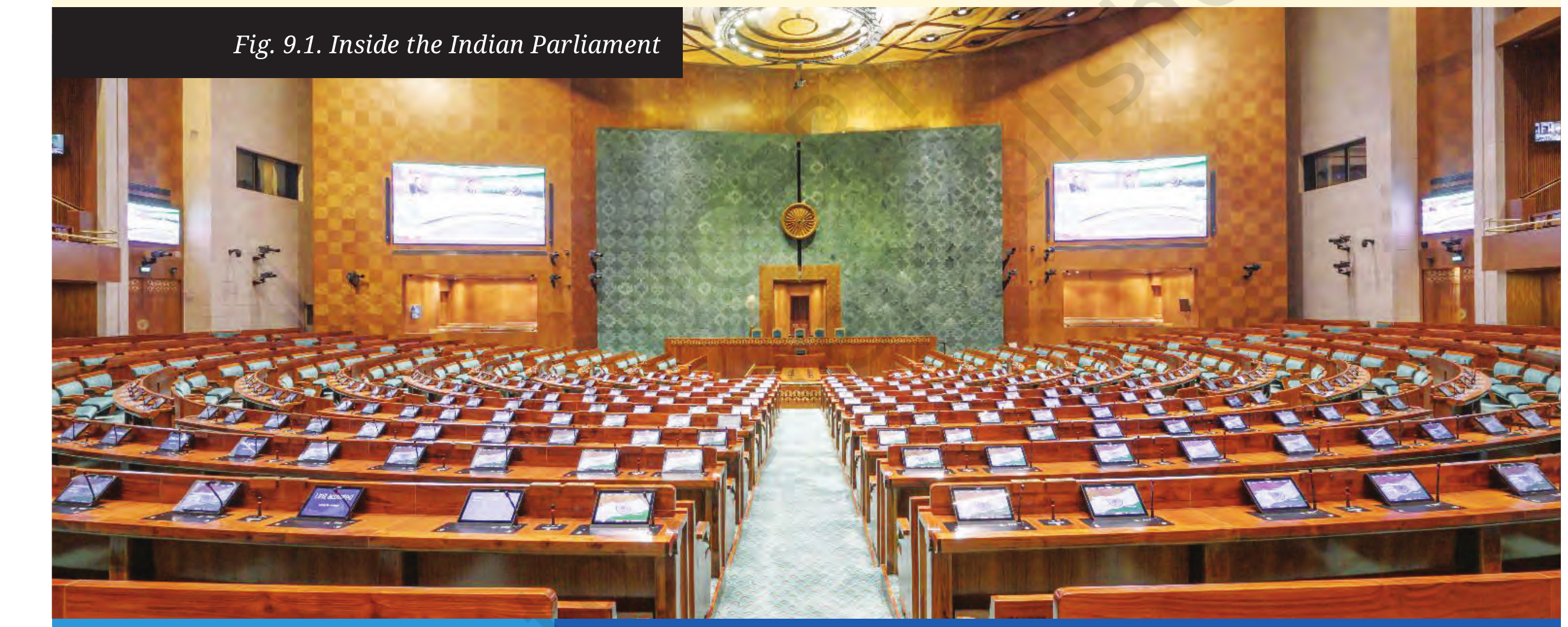
Fig. 9.1, NCERT Exploring Society: India
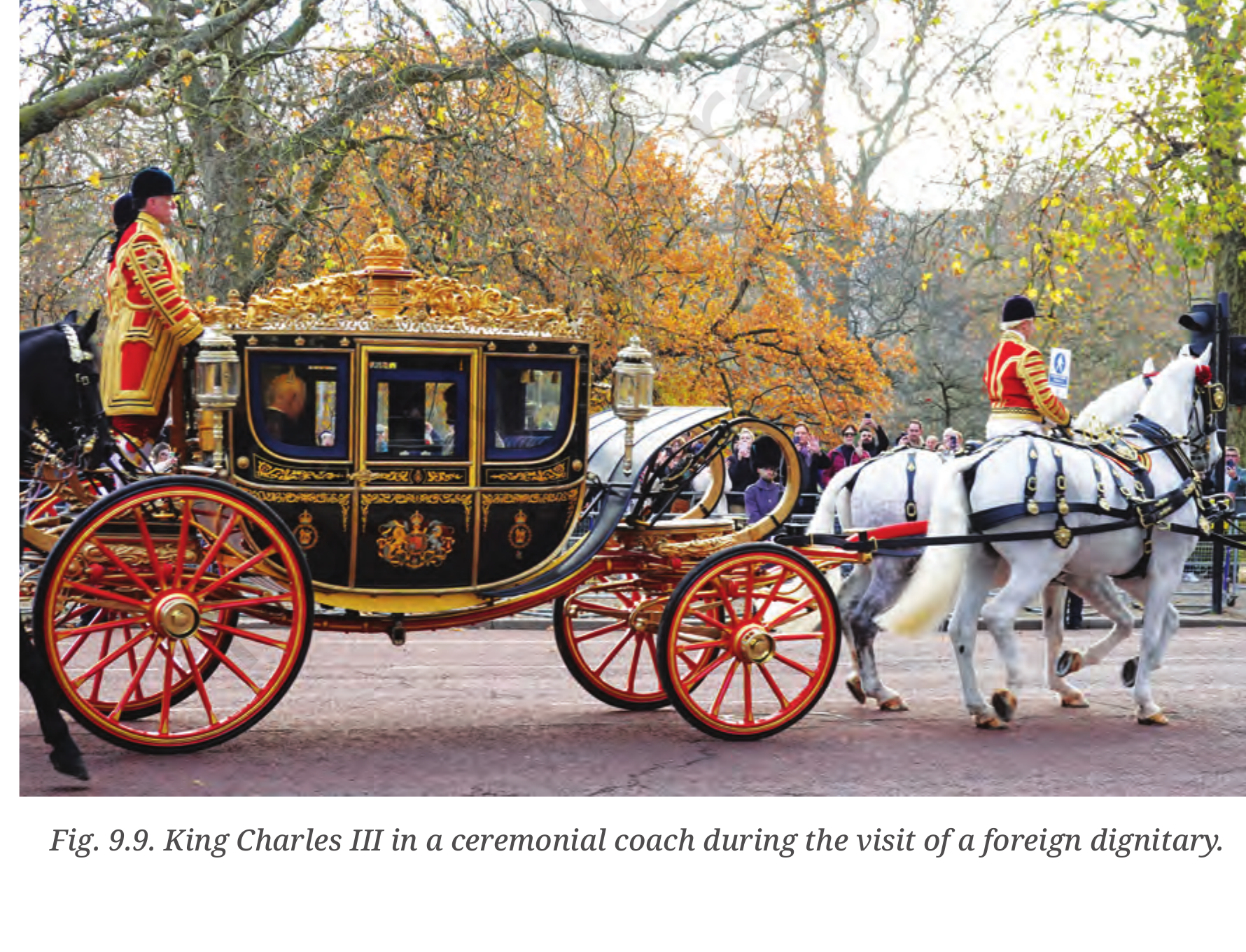
and Beyond Class 7 Part 1, Chapter 9, From the Rulers to the Ruled.Fig. 9.9, NCERT Exploring Society: India
and Beyond Class 7 Part 1, Chapter 9, From the Rulers to the Ruled.
Five types of government: democracy (direct and
representative, with representative democracy further split into
parliamentary and presidential), monarchy (absolute and
constitutional), theocracy, dictatorship, and oligarchy.
KM
Kabir Malhotra
M.A. Political Science, University of Delhi
Verified Expert
Structural observation. A quick way to hold all five types in
memory is to ask, for each one, "who decides, and is that power
checked by anything?" This turns a bare list into a comparison table,
which is far easier to recall in an exam than five unconnected names.
Checked power, chosen by people: democracy. Both its
sub-types (direct, representative) and both forms of
representative democracy (parliamentary, presidential) keep
the government accountable to voters through regular
elections. If the government fails its people, it can be
voted out, so its power is always temporary and conditional.
Checked power, inherited: constitutional monarchy. A
king or queen is head of state, but an elected parliament and
prime minister hold the real power, as in the United Kingdom.
The monarch's role here is largely ceremonial, while the
parliament remains answerable to voters.
Unchecked power, inherited: absolute monarchy. A
monarch such as the king of Saudi Arabia holds complete
control over law-making, its enforcement and its judgment, and
an advisory council does not bind his final decision.
Unchecked power, religious: theocracy, where the
ultimate authority is a religious leader or body, as with
Iran's Supreme Leader, who holds authority over the
legislature, executive and judiciary for life.
Unchecked power, one person or a few: dictatorship
(one person or a small group, as with Hitler in Germany) and
oligarchy (a small, wealthy or influential group, as in some
aristocratic Greek city-states), neither bound by a
constitution or answerable to an election.
Grouping the five types this way, by whether power is checked and by
where it comes from, makes it easy to place any unfamiliar government
you read about into the right box, instead of memorising names in
isolation. It also explains why the chapter treats democracy as
special: it is the only type where both boxes, chosen by people and
checked by law, are ticked at the same time.
Five types of government: democracy (direct and
representative, with representative democracy further split into
parliamentary and presidential), monarchy (absolute and
constitutional), theocracy, dictatorship, and oligarchy.
Q 9.2
Which type of Government does India have? And why is that
called that type?
Concept used. A government is classified as a
parliamentary democracy when two things are both true: the
people elect their representatives (democracy), and the executive
(prime minister and council of ministers) sits inside and is
accountable to the legislature (parliamentary), rather than being
elected separately.
India is a democracy. Power belongs to the people of
India, who elect their representatives through
universal adult franchise. This satisfies the
fundamental principle of representative participation that
the chapter lists for every democracy.
India is specifically a representative democracy.
Citizens do not directly make every law themselves (that would
be direct democracy). Instead, they elect representatives who
form the government and legislate on their behalf.
India is a parliamentary democracy, not a presidential
one. The prime minister and the council of ministers are
also members of Parliament, and they can continue in office
only as long as they have the confidence of the Lok Sabha.
This is different from a presidential democracy such as the
USA, where the president is elected separately and does not
need the legislature's confidence to stay in office.
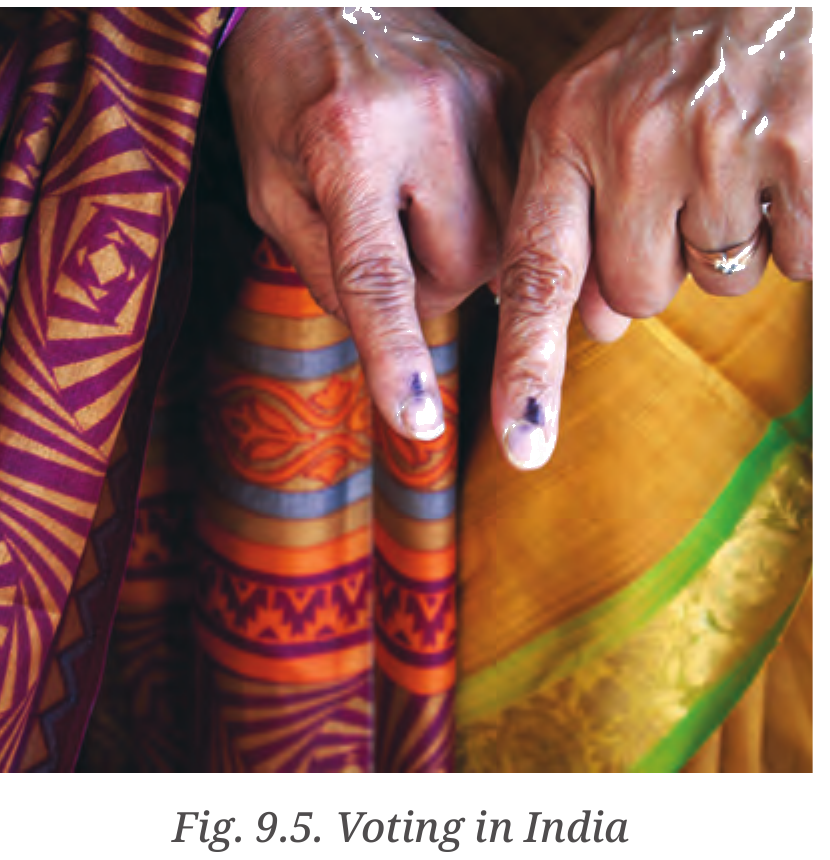
Fig. 9.5, NCERT Exploring Society: India
and Beyond Class 7 Part 1, Chapter 9, From the Rulers to the Ruled.
India has a parliamentary democracy. It is called this
because the people elect their representatives (making it a
democracy), and the prime minister and council of ministers sit inside
and answer to Parliament (making it parliamentary, not presidential).
RS
Ritika Sen
M.A. Political Science, Jawaharlal Nehru University
Verified Expert
Quick reading. Instead of memorising the label, test India's
government against the chapter's own definition of parliamentary
democracy, point by point.
Test 1, is it a democracy at all? Yes: representatives
are chosen through elections held at regular five-year
intervals, satisfying universal adult franchise and
representative participation.
Test 2, direct or representative? Representative:
over a billion citizens cannot each vote on every law, so
elected Members of Parliament legislate on their behalf.
Test 3, parliamentary or presidential? Parliamentary:
the executive (prime minister, council of ministers) is drawn
from and stays accountable to the legislature. Contrast this
with the USA, where the president is elected independently of
Congress and cannot be removed simply by losing a legislative
vote.
Running a government through these three tests, is it a democracy, is
it direct or representative, is it parliamentary or presidential,
gives the precise classification and the reason behind it in one pass.
India has a parliamentary democracy: elected representatives
(democracy) form an executive that sits inside and answers to
Parliament (parliamentary), unlike a presidential system.
Q 9.3
You read that an independent judiciary is present in all
types of democracies. State any three reasons why you think it is
important for the judiciary to be independent.
Concept used. An independent judiciary means the
courts work separately from the executive and the legislature, free of
their control. This is part of the chapter's principle of
separation of powers: the legislature, executive and
judiciary work independently and do not interfere in each other's
functions.
Reason 1, fair application of the law. If judges could
be pressured by the government of the day, they might rule to
favour whoever is in power instead of ruling on the facts. An
independent judiciary applies the same law equally to every
citizen, including powerful ones.
Reason 2, protection of fundamental rights. The
chapter states that an independent judiciary ensures every
citizen's fundamental rights, such as the right to equality
and the right to freedom of speech, are actually protected. A
judiciary controlled by the executive could ignore violations
of these rights instead of correcting them.
Reason 3, a check on the government itself. Because
the judiciary is separate, it can judge whether the executive
or legislature has broken the law or acted beyond its powers.
A judiciary that answered to the government could never rule
against that same government.
An independent judiciary matters because it applies the law
fairly to everyone, protects citizens' fundamental rights without fear
or favour, and acts as a check on the executive and legislature
themselves.
AK
Arnav Kulkarni
LL.B., National Law School of India University Bangalore
Verified Expert
Structural observation. Instead of listing three separate
reasons, it helps to see them as three different people the judiciary
must be able to rule against: the ordinary powerful citizen, the
executive, and even the legislature that writes the laws.
Against a powerful citizen or group. An independent
judge is not obliged to favour someone rich or influential,
so the law applies without bias, exactly as the chapter's
description of a raja's rajadharma required fairness above
personal power.
Against the executive. If the police or a minister
acts illegally, only a judiciary free from executive control
can rule against them. A judiciary that depends on the
executive for its position would be reluctant to do this.
Against the legislature. Even a law passed by elected
representatives can violate the constitution or a citizen's
fundamental rights. An independent judiciary can strike down
such a law; a judiciary controlled by that same legislature
could not.
Seen this way, judicial independence is not a bonus feature of
democracy, it is the mechanism that makes the other principles
(equality, freedom, fundamental rights) actually enforceable.
Judicial independence lets courts rule fairly against
powerful citizens, against the executive, and even against the
legislature, which is what makes equality, freedom and fundamental
rights enforceable in practice.
Q 9.4
Do you think democratic government is better than other
forms of government? Why?
Concept used. To compare forms of government fairly, we check
each one against the same yardsticks the chapter uses: equality,
freedom, representative participation, universal adult franchise, and
an independent judiciary. A government that gives citizens more of
these is, by this yardstick, a better government for its people.
Democracy scores well on all five principles. Citizens
are treated equally before the law, can express opinions and
make personal choices freely, elect their own representatives,
and can remove a non-performing government at the next
election. An independent judiciary protects their rights
throughout.
Other forms concentrate these freedoms in fewer hands.
In a monarchy or dictatorship, one person or family holds
power regardless of merit or public opinion. In a theocracy,
religious leaders decide policy rather than elected
representatives. In an oligarchy, a small wealthy group
decides for everyone else. None of these let ordinary citizens
remove the ruler through a vote.
Accountability is the deciding factor. Because a
democratic government depends on winning elections, it must
keep working for the wellbeing of its people or risk being
voted out. Other forms of government have no such built-in
pressure to serve the wider public.
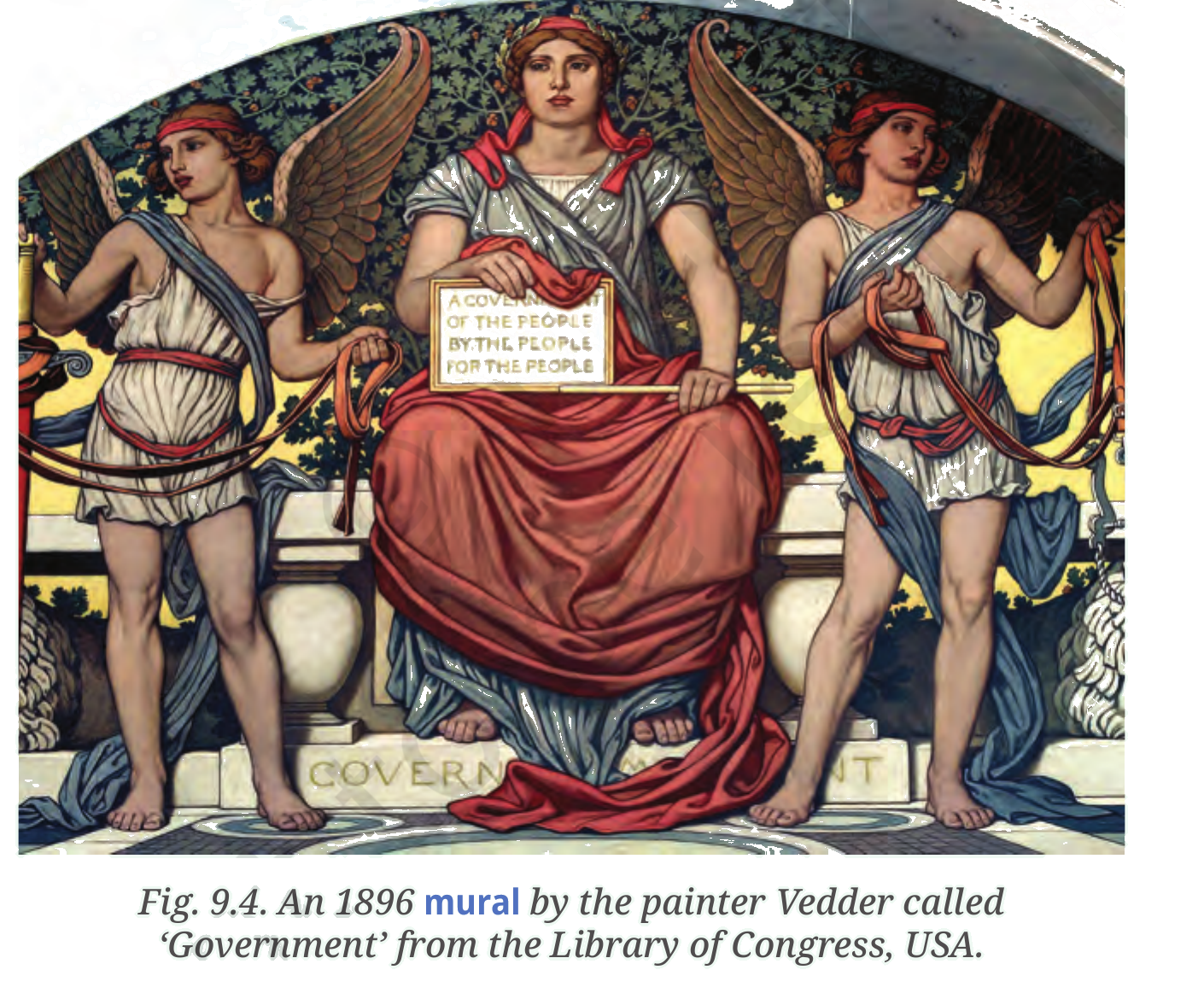
Fig. 9.4, NCERT Exploring Society: India
and Beyond Class 7 Part 1, Chapter 9, From the Rulers to the Ruled.
Yes. Democratic government is better for most citizens
because it alone combines equality, freedom, representative
participation, universal adult franchise and an independent judiciary
with a built-in way, elections, to hold rulers accountable.
TB
Tanvi Bose
M.A. Public Administration, Panjab University
Verified Expert
Picture-first. Imagine each form of government as answering
one question differently: "what happens if the ruler stops working
for the people?" The answer to that single question explains most of
the comparison.
In a democracy, the answer is simple: voters remove
that ruler at the next election, or before it through other
constitutional means. This threat alone pushes elected
governments to keep working for the wellbeing of citizens.
In a monarchy or dictatorship, there is no such exit.
Power passes by inheritance or stays with whoever seized it,
regardless of how the ruler treats the people.
In a theocracy or oligarchy, power rests with
religious leaders or a small wealthy group who are not chosen
by, and cannot easily be removed by, the wider population.
This is why the chapter itself, after listing democracy's real flaws,
still calls it the most popular form of government today: it is the
only system built to correct itself through the people's own choice.
Yes. Democracy is better because it is the only form of
government where citizens can remove a ruler who stops serving them,
through free elections, rather than being stuck with an inherited or
self-appointed ruler.
Q 9.5
These are some practices in a few different countries. Can
you match the practice with the type of government? [4pt]
I. All citizens are treated equally before law. II. The government refers to the religious leader for each
and every decision it takes. III. After the queen's death, her son became the new king. IV. The ruler is not bound to follow any Constitution. He
makes all the decisions as per his choice. [4pt]
(Options: Dictatorship, Monarchy, Democracy, Theocracy)
Concept used. Each type of government has one defining
feature, stated in the chapter, that acts as its fingerprint: who the
source of authority is, and how power is gained or passed on. Matching
each practice to its fingerprint gives the answer.
Practice I, equality before law. The chapter names
equality (everyone is equal before the law) as one of
the fundamental principles of democracy. So I matches
Democracy.
Practice II, decisions referred to a religious leader.
The chapter defines theocracy as government ruled by the rules
of religion and religious leaders, exactly as Iran's Supreme
Leader has ultimate authority over the country. So II matches
Theocracy.
Practice III, the queen's son inherits the throne.
The chapter states monarchies are hereditary, typically the
eldest son of the ruling monarch becomes the next king. So III
matches Monarchy.
Practice IV, no Constitution binds the ruler. The
chapter defines dictatorship as one person holding absolute
power with no limits imposed by a constitution or law. So IV
matches Dictatorship.
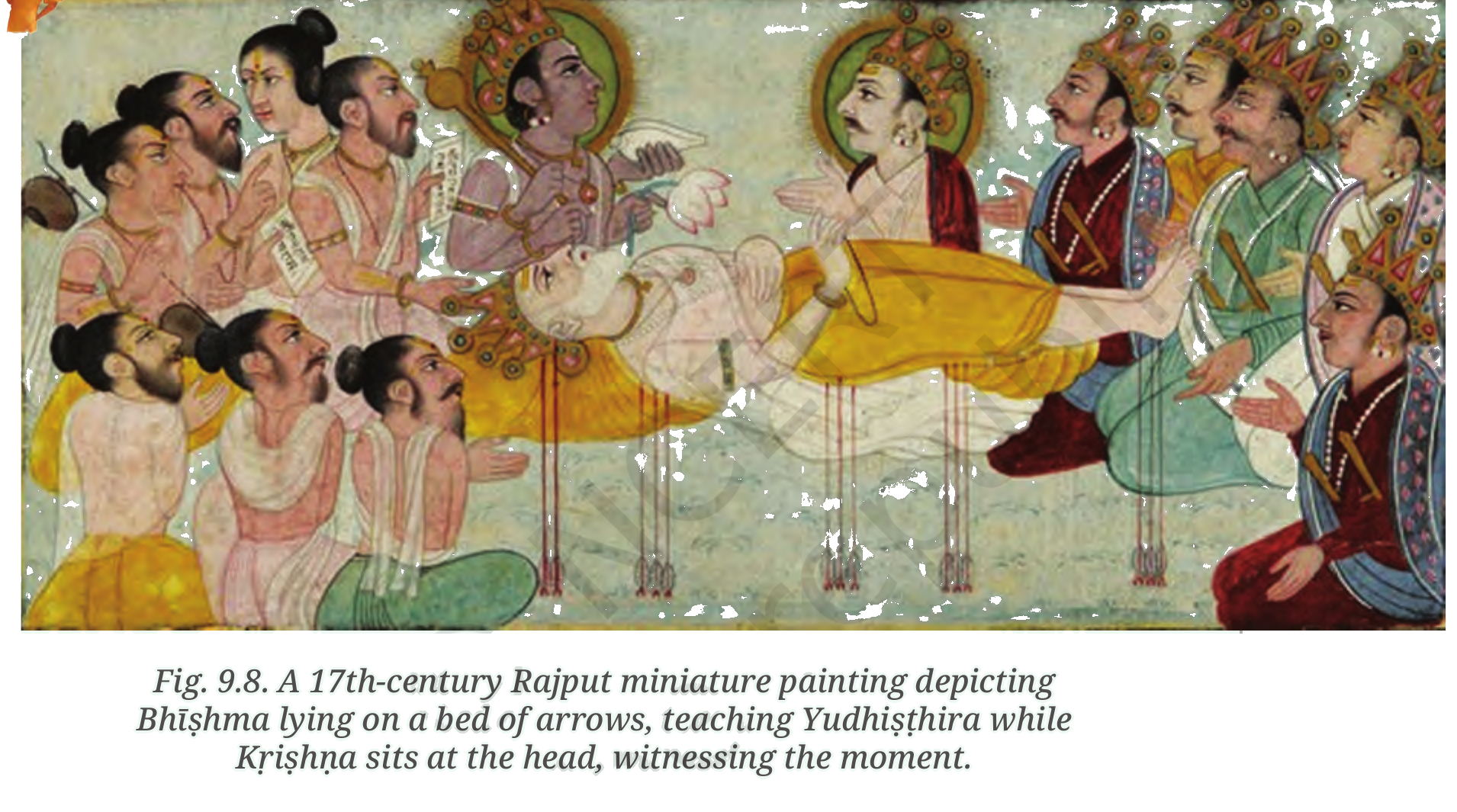
Fig. 9.8, NCERT Exploring Society: India
and Beyond Class 7 Part 1, Chapter 9, From the Rulers to the Ruled.
This 17th-century Rajput miniature painting shows Bhishma teaching
Yudhishthira the moral duties of a raja, an example of Practice III's
inherited kingship bound by dharma rather than by a constitution.
I to Democracy, II to Theocracy, III to Monarchy, IV to
Dictatorship.
FA
Farah Ansari
M.A. Political Science, Aligarh Muslim University
Verified Expert
Strategic angle. Rather than matching one practice at a time,
sort all four practices first by whether power is checked by a
constitution or law, then by where that power originally comes from.
Split by "checked or unchecked." Practices I (equality
before law) describe a government that is bound by law.
Practice IV (ruler decides "as per his choice", unbound by any
Constitution) describes a government with no such check. This
immediately separates Democracy from
Dictatorship.
Split the remaining two by "source of authority."
Practice II hands every decision to a religious leader, so
authority comes from religious belief, the definition of
Theocracy. Practice III shows power passing by
birth, from mother to son, the definition of
Monarchy.
Cross-check against the chapter's own examples. Iran's
Supreme Leader (theocracy) and the United Kingdom's hereditary
succession (monarchy) confirm II and III; Saudi Arabia's
unbound monarch and Hitler's Germany confirm how IV describes
unchecked one-person rule.
Sorting by checked-versus-unchecked power first, then by source of
authority, is a method that works for matching any set of government
practices, not just these four.
I to Democracy, II to Theocracy, III to Monarchy, IV to
Dictatorship.
Q 9.6
Below is a list of countries. Find out the types of
government these countries have: [4pt]
1. Bhutan 2. Nepal 3. Bangladesh 4. South Africa
5. Brazil
Concept used. To classify a country's government, we ask the
chapter's own questions: is there a king or queen, or an elected head
of state? Is the executive elected separately (presidential) or drawn
from the legislature (parliamentary)? Does the country have a
constitution binding the ruler?
Bhutan: constitutional monarchy. Bhutan has a
hereditary king (the Druk Gyalpo) as head of state, but the
real day-to-day governing power lies with a prime minister
drawn from an elected National Assembly, under a written
constitution. This is the same structure as the United
Kingdom's constitutional monarchy described in the chapter.
Nepal: federal parliamentary republic. Nepal abolished
its monarchy in 2008. It now elects a president as head of
state and a prime minister as head of government from its
Federal Parliament, making it a representative, parliamentary
democracy rather than a monarchy.
Bangladesh: parliamentary republic. Bangladesh elects
its Parliament (the Jatiya Sangsad), and the prime minister,
drawn from the majority in Parliament, holds executive power,
the same parliamentary-democracy structure as India.
South Africa: parliamentary republic. South Africa's
president is both head of state and head of government, but is
elected by the National Assembly rather than directly by
voters, so the executive still answers to the legislature,
making it parliamentary rather than presidential.
Brazil: federal presidential republic. Brazil's
president is directly elected by the people and works
independently of the National Congress, exactly matching the
chapter's definition of presidential democracy, the same
structure as the USA.
Bhutan: constitutional monarchy. Nepal: federal
parliamentary republic. Bangladesh: parliamentary republic. South
Africa: parliamentary republic. Brazil: federal presidential
republic.
ND
Nikhil Desai
M.A. International Relations, South Asian University
Verified Expert
Quick reading. Rather than researching each country from
scratch, run every country through the same two-question filter the
chapter builds: does a king or queen hold the top office, and is the
executive elected separately from the legislature?
Question 1, is there a monarch? Only Bhutan answers
yes, its hereditary Druk Gyalpo is head of state, so it is a
monarchy. But because an elected National Assembly and prime
minister actually run the government under a constitution, it
is specifically a constitutional monarchy, not an
absolute one.
Question 2, for the remaining republics, is the
executive elected separately from the legislature? In
Brazil, yes, the president is elected directly by voters and
governs independently of Congress, making it a
federal presidential republic.
Question 2, continued. In Nepal, Bangladesh and South
Africa, no, the head of government answers to an elected
parliament rather than being elected separately, making all
three parliamentary republics (Nepal's is federal,
reflecting its provinces).
This two-question filter, monarch or not, then executive elected
separately or drawn from parliament, sorts any country into the
chapter's categories without needing to memorise each one individually.
Bhutan: constitutional monarchy. Nepal: federal
parliamentary republic. Bangladesh: parliamentary republic. South
Africa: parliamentary republic. Brazil: federal presidential
republic.
Q 9.7
What are possible hurdles in a democracy in achieving its
values and ideals? How can they be overcome?
Concept used. A democracy's ideals are the five principles
the chapter lists: equality, freedom, representative participation,
universal adult franchise and an independent judiciary. A "hurdle" is
anything in real practice that stops these ideals from being fully
achieved, even though the country is, on paper, a democracy.
Corruption. When officials or representatives misuse
their position for personal gain, public money and trust meant
for citizens' welfare are diverted away, weakening the ideal of
a government that works for everyone.
Wealth disparity. When a small number of citizens hold
most of the wealth, they can gain outsized influence over
elections and policy, undermining the ideal that every
citizen's voice and vote count equally.
Excessive control by a few over democratic
institutions. If a small group of politicians and wealthy
businesspeople hold too much influence, as the chapter warns
can happen, a democracy starts to behave like an oligarchy in
practice, even while keeping its democratic form.
Erosion of the judiciary's independence. If courts
come under pressure from the executive or legislature, they
can no longer protect citizens' fundamental rights without
fear or favour, weakening the check that keeps a democracy
honest.
Manipulation of information channels. If citizens are
fed false or one-sided information, they cannot make informed
choices at elections, weakening the very idea of rule by an
informed people.
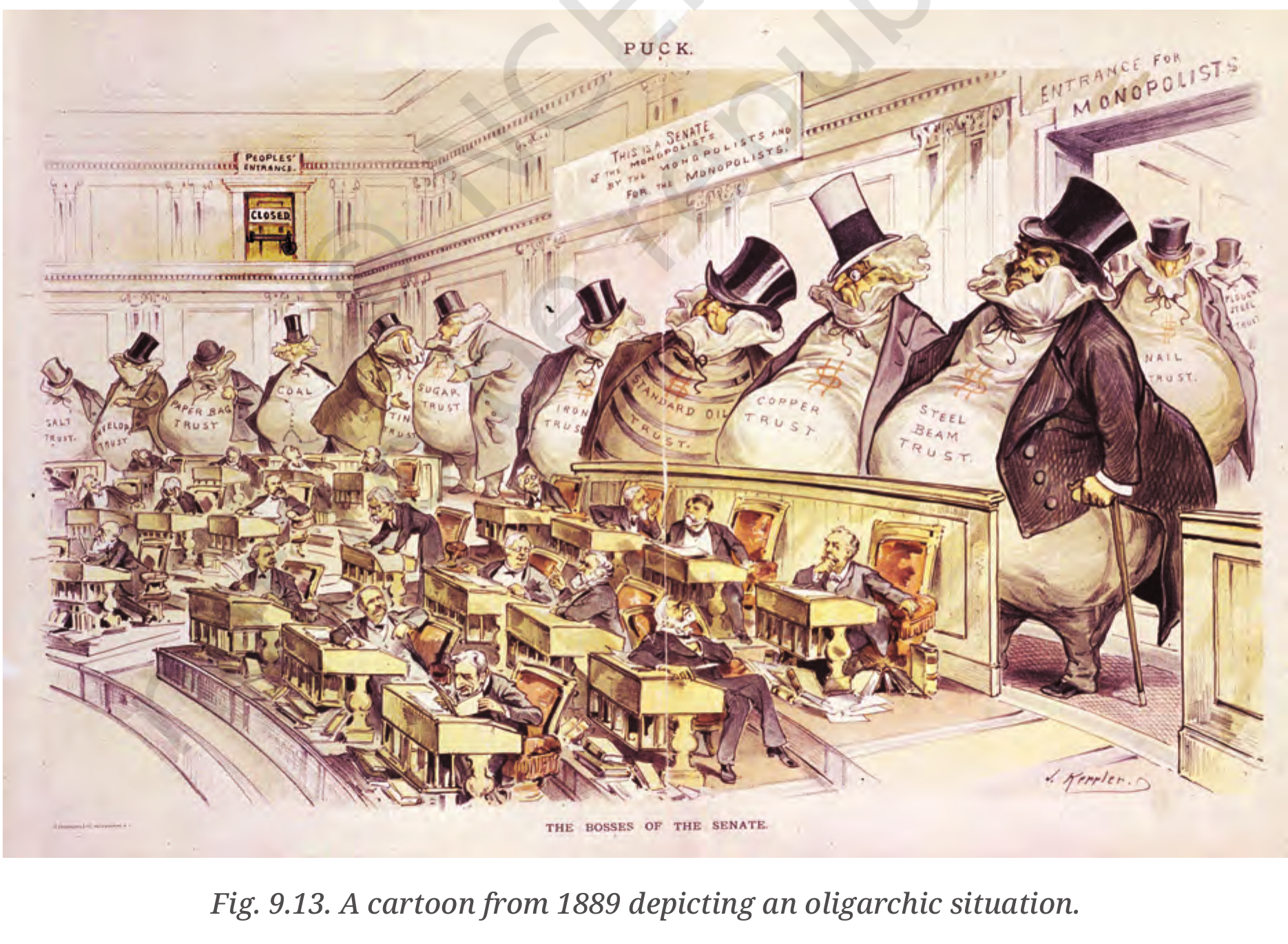
Fig. 9.13, NCERT Exploring Society:
India and Beyond Class 7 Part 1, Chapter 9, From the Rulers to the
Ruled. This 1889 cartoon shows wealthy "trusts" looming over elected
senators, an image of the hurdle where a small, powerful group gains
excessive control over a democratic institution.
Hurdles include corruption, wealth disparity, a few people or
groups gaining excessive control over institutions, erosion of the
judiciary's independence, and manipulation of information. They can be
overcome by citizens staying vigilant: demanding transparency and
accountability from representatives, protecting a free and independent
judiciary and press, and using their vote and voice actively rather
than passively.
MC
Meher Chatterjee
M.A. Sociology, Tata Institute of Social Sciences
Verified Expert
Strategic angle. It helps to sort these hurdles by which of
the three organs of government, or which citizen behaviour, they
attack, because the fix for each hurdle follows directly from what it
damages.
Hurdles that attack the executive and legislature:
corruption and excessive control by a small, wealthy or
politically powerful group. These are overcome by transparency
laws, independent anti-corruption bodies, and citizens voting
out representatives who fail to serve them.
A hurdle that attacks the judiciary: erosion of its
independence. This is overcome by keeping judicial
appointments and functioning free from executive or
legislative interference, exactly the separation of powers the
chapter describes.
A hurdle that attacks the citizen directly:
manipulation of information channels and, indirectly, wealth
disparity, both of which distort how freely and equally
citizens can actually participate. These are overcome by media
literacy, a free press, and policies that keep economic power
from concentrating too narrowly.
Seen this way, protecting democracy is really three separate jobs,
keeping the executive and legislature accountable, keeping the
judiciary independent, and keeping citizens genuinely free and
informed, not one single fix.
Corruption, wealth disparity, excessive control by a few over
institutions, erosion of judicial independence, and manipulation of
information are the main hurdles. They are overcome by transparency
and accountability, protecting judicial independence, and keeping
citizens informed and actively engaged through their vote.
Q 9.8
Democracy is different from monarchy and dictatorship.
Explain.
Concept used. The clearest way to tell governments apart is
to ask the chapter's own key questions: who decides that "this is the
government," how is the government formed, and what is it working for.
Democracy, monarchy and dictatorship answer all three questions
differently.
Who decides "this is the government"? In a democracy,
the people are the source of authority. In a monarchy, descent
within a royal family decides. In a dictatorship, whoever
seizes and holds power decides, with no input from citizens.
How is the government formed? A democracy forms its
government through regular elections that any eligible citizen
can contest or vote in. A monarchy forms it through hereditary
succession, usually to the eldest son of the ruling monarch. A
dictatorship forms when one person or a small group takes
total control and removes any opposition, as Hitler did after
being appointed Chancellor of Germany.
Is the ruler bound by anything? A democracy binds its
government to a constitution and to independent courts, and
can remove non-performing rulers at the next election. An
absolute monarch or a dictator faces no such constitutional
limit and cannot be removed by an ordinary vote.
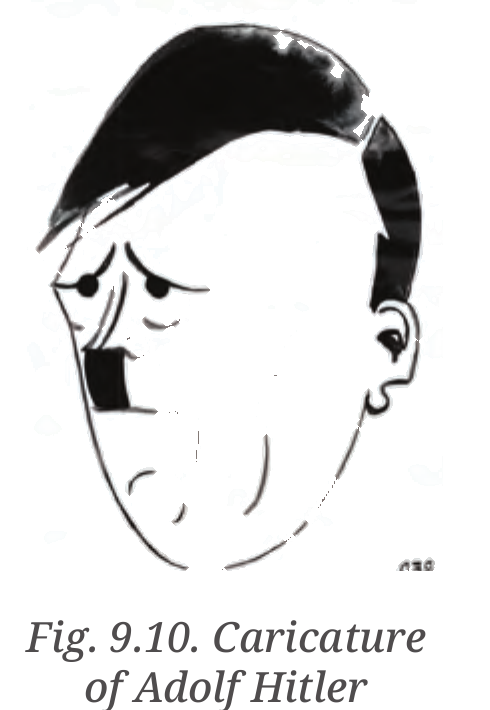
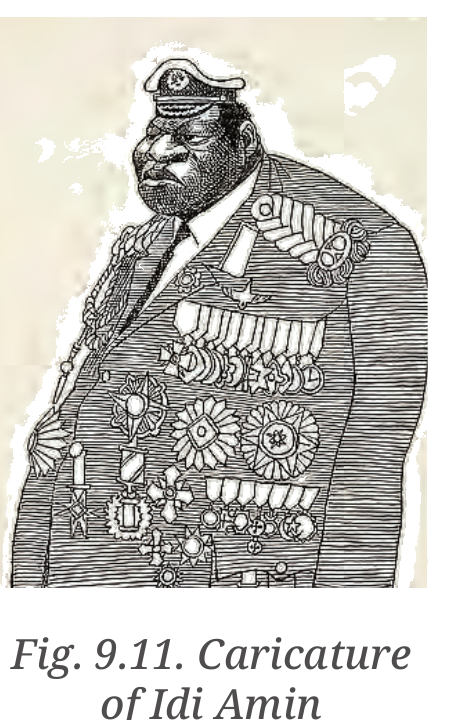
Fig. 9.10, NCERT Exploring Society:
India and Beyond Class 7 Part 1, Chapter 9, From the Rulers to the
Ruled.Fig. 9.11, NCERT Exploring Society:
India and Beyond Class 7 Part 1, Chapter 9, From the Rulers to the
Ruled.
Democracy differs from monarchy and dictatorship because
power in a democracy comes from the people through elections and is
limited by a constitution and independent judiciary, while in a
monarchy power passes by inheritance and in a dictatorship power is
seized and held by force, neither chosen by nor answerable to the
people.
AB
Aryan Bhatt
M.A. History, St. Stephen's College Delhi
Verified Expert
Picture-first. Imagine three different doors into power: an
election booth, a family tree, and a forced takeover. Each door leads
to a completely different relationship between ruler and ruled, and
each leaves the citizen with a different amount of control over who
rules them.
The election-booth door (democracy). Anyone eligible
can contest, and the winner answers to voters at the next
election. Power is temporary and conditional on public
support, so a ruler who ignores citizens' needs risks being
replaced peacefully at the ballot box.
The family-tree door (monarchy). Succession follows
birth order within one family, regardless of ability or public
opinion, though a constitutional monarch's actual power can
still be tightly limited by parliament, as in Britain, while an
absolute monarch, as in Saudi Arabia, keeps full control.
The forced-takeover door (dictatorship). Power is
seized, opposition is eliminated, and no constitution or
election can remove the dictator, as Idi Amin demonstrated in
Uganda and Hitler demonstrated in Germany after being
appointed Chancellor.
Whichever "door" a country's ruler walked through explains almost
everything else about that government: whether it can be voted out,
whether it answers to a constitution, and whether ordinary citizens
have any real power to change it.
Democracy differs from monarchy and dictatorship in how
power is gained (election versus inheritance versus seizure) and in
whether that power is limited: a democracy is bound by a constitution
and can be changed by the people's vote, while monarchy passes by
birth and dictatorship is imposed by force, with neither directly
accountable to the people through elections.